


A calm shower starts with fewer distractions and better objects. The best refillable shower bottles replace mismatched disposable packaging with durable dispensers that feel considered, work reliably, and support a lower-waste routine. The right choice is not simply the prettiest bottle. It is a complete system that fits your shelf, handles wet hands, dispenses your preferred wash, and remains easy to refill.
Begin with the AEP Body and Hand Wash Starter Set for a coordinated bottle-and-refill routine.
Refillable bottles can make an ordinary bathroom feel more composed. They also reduce the stream of rigid containers entering your home. Yet poor pumps, awkward openings, and fragile materials can turn a thoughtful purchase into clutter. This guide explains what matters before you buy.
What makes a refillable shower bottle worth buying?
A worthwhile bottle succeeds in three areas: daily function, long-term durability, and easy refilling. If one area fails, the bottle often goes unused. A beautiful dispenser with a weak pump is still a poor investment.
Start with the shower itself. Tile, water, steam, and wet hands create a demanding setting. A bottle should stay stable on its shelf and remain comfortable to hold. It should also tolerate an occasional fall without creating a hazard.
A reliable pump matters most
The pump is the part you touch every day. It should press smoothly, return quickly, and dispense a controlled amount. A pump that sticks encourages overuse and creates residue around the neck.
Product texture also matters. A pump suited to fluid hand wash may struggle with a much thicker formula. Before buying, confirm that the dispenser is intended for the product you plan to use.
The opening should make refills simple
A wider neck makes pouring easier and reduces spills. It also lets you rinse the interior more thoroughly. Narrow openings may look refined, but they can make regular care unnecessarily difficult.
A restrained design lasts longer visually
Neutral colors, simple labels, and a quiet silhouette work across changing bathroom styles. They keep the shower looking orderly without competing with stone, tile, or hardware. Good design should settle into the room.
Best refillable shower bottles by type
No single format fits every bathroom. The strongest choice depends on your shelf space, household size, product texture, and tolerance for maintenance. This comparison offers a practical starting point.
| Bottle type | Best for | Primary strength | Tradeoff |
|---|---|---|---|
| Shatter-resistant pump bottle | Most daily showers | Safe, light, and easy to use | Pump quality varies |
| Wall-mounted dispenser | Small or shared showers | Clears shelf space | Installation and cleaning take effort |
| Squeeze bottle | Travel and compact spaces | Simple and easy to empty | Less polished for permanent display |
| Glass pump bottle | Dry vanity areas | Substantial visual presence | Breakage risk in a tiled shower |
| Metal dispenser | Design-led bathrooms | Durable feel | May corrode or hide fill level |
Best overall: shatter-resistant pump bottles
For most households, a strong plastic pump bottle offers the best balance. It is lighter than glass and safer around hard tile. A translucent finish can show the remaining product without displaying every detail.
AEP Scent offers a reusable bottle designed for an uncluttered counter or shower shelf. Its understated look supports a consistent bathroom routine without demanding attention.
Best for limited space: wall-mounted dispensers
Wall-mounted units free a narrow ledge and keep bottles from gathering around the tub. They can work well in guest bathrooms or busy households. Choose a mount that can be removed for cleaning.
Best for travel: squeeze bottles
Soft squeeze bottles are light and easy to pack. They also make it simple to use the last portion. Look for a secure cap and a size that suits your travel needs.
Choose materials for safety, not novelty
Material affects weight, grip, care, and risk. In a shower, practical safety should come before the visual appeal of a heavy container. The bottle will be handled with wet or soapy hands.
Why durable plastic works well in showers
Quality plastic is light, shatter-resistant, and comfortable to lift. It can survive routine knocks without leaving sharp pieces on tile. It also works well with translucent and matte finishes.
Plastic is not automatically sustainable. The better question is whether the bottle is designed for repeated use. A durable dispenser paired with lower-plastic refills can reduce reliance on new rigid bottles.
Why glass belongs outside the wet zone
Glass can look elegant on a vanity. Inside a tiled shower, it introduces avoidable breakage risk. A silicone sleeve may improve grip, but it cannot remove that risk.
If you prefer the visual weight of glass, reserve it for a dry hand-washing area. Choose a lighter, shatter-resistant bottle for the shower itself.
What to know about metal and ceramic
Metal can feel substantial, but some finishes may corrode in constant moisture. Opaque metal also makes the remaining fill harder to judge. Ceramic carries many of the same breakage concerns as glass.
Before choosing either material, inspect the pump, interior lining, and care instructions. A refined exterior does not compensate for difficult upkeep.
Features that improve the daily routine
Small design details determine whether a refillable bottle becomes a lasting habit. Focus on the parts that reduce friction each morning. The most useful features are rarely decorative.
Stable proportions and an easy grip
A broad base helps prevent tipping when you press the pump. A bottle should also fit comfortably in one hand. Very tall, narrow designs may look minimal but become unstable on shallow ledges.
Clear labels that tolerate moisture
Labels should remain readable in steam and repeated splashes. Clear identification matters when matching bottles hold different formulas. A restrained label system keeps the room coherent and avoids mix-ups.
A size matched to actual use
A larger bottle means fewer refills, but it also takes more shelf space. A smaller bottle looks lighter and is easier to handle. Choose based on household use, not an idealized image.
Measure your shower shelf before ordering. Check bottle width, total height with the pump raised, and available clearance. This simple step prevents an otherwise excellent bottle from becoming inconvenient.
Compatibility with the formula
Body wash, hand wash, shampoo, and conditioner can have different viscosities. Confirm that the pump handles your intended formula. When possible, choose a bottle and refill developed as one system.
Explore the Body and Hand Wash Starter Set for a simple, matched way to begin refilling.
Why the refill system matters as much as the bottle
An empty dispenser only changes where a product sits. A thoughtful refill system changes the packaging pattern behind it. Consider the refill format, formula, storage needs, and ease of repeat purchasing.
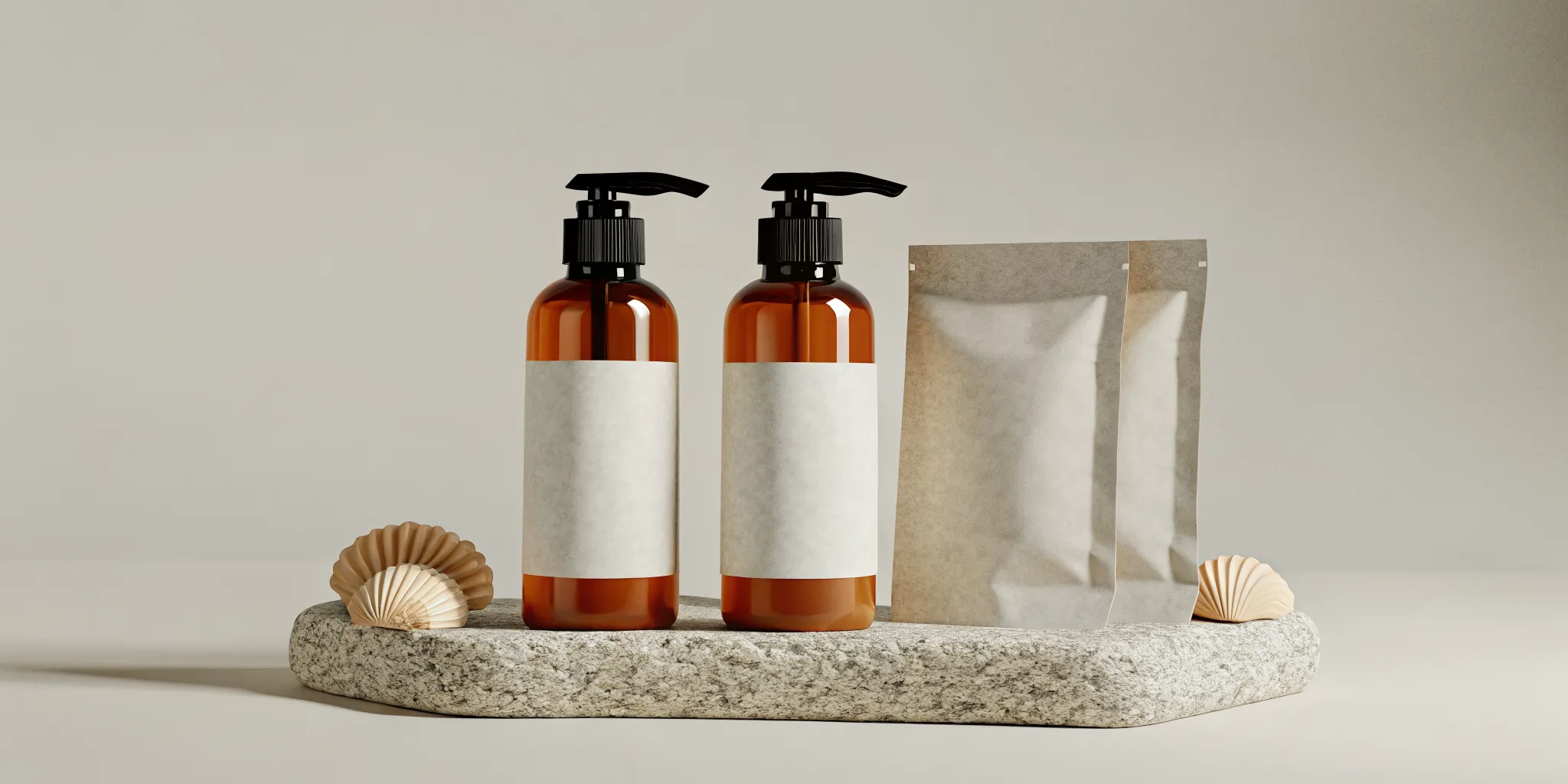
AEP Scent pairs reusable bottles with kraft-paper refill pouches that use up to 80 to 85 percent less plastic. The system keeps the durable component in use while reducing repeated rigid packaging.
Look beyond the first purchase
Before buying a bottle, check how you will refill it six months later. A practical system should make refills easy to find and simple to store. Otherwise, convenience may pull you back toward disposable bottles.
Read the body wash refill guide for a closer look at building the habit. A clear process helps the sustainable option become the natural option.
Choose formulas with transparent standards
The product inside deserves the same attention as the packaging. AEP Scent formulas are vegan and cruelty-free, with production in Los Angeles. The approach combines accessible luxury scent with a more considered refill model.
AEP Scent is an independent brand and an accessible, eco-friendly alternative to traditional luxury body care. It is not affiliated with the designer fragrance houses that may inspire scent comparisons.
Match scent to the room and routine
Scent has a strong effect on how a shower feels. A crisp, coastal profile can make mornings feel clean and open. A grounded, earthy profile creates a warmer evening atmosphere.
For an ocean-inspired direction, consider Coastal Sage. Its crisp, woody character combines ambrette seeds, sea salt, sage, and citrus oils.
How to clean and refill shower bottles
Refillable bottles need occasional care. Residue can gather around the pump, and mixing unlike products may affect scent or texture. A simple cleaning routine protects the dispenser and keeps refilling pleasant.
Clean before switching formulas or scents
If you are adding the same product, follow its refill instructions. If you are changing products, empty and clean the bottle first. Do not combine formulas unless the manufacturer says they are compatible.
Use a simple refill process
- Remove the pump and empty any remaining product.
- Rinse the bottle with warm water until visible residue is gone.
- Run warm water through the pump to clear the tube.
- Let the bottle and pump dry fully before adding a different formula.
- Place the bottle on a stable surface and pour slowly.
- Reattach the pump, then wipe the bottle and surrounding surface.
Avoid harsh abrasives that could damage the finish. Follow the bottle maker's care guidance when it differs from these general steps. Never use extremely hot water unless the material is rated for it.
Keep the habit easy to maintain
Store unopened refills in a cool, dry place. Reorder before the bottle is fully empty, especially in a shared household. A spare refill prevents convenience from becoming a reason to buy disposable packaging.
You can also keep a small cloth near the sink for occasional pump cleanup. This takes seconds and preserves the composed appearance that made refillable bottles appealing initially.
How to choose the right starter setup
The best setup is the one you will refill consistently. Empty bottles offer flexibility, while starter sets remove compatibility questions. Both can work when chosen with a realistic view of your routine.
Choose an empty bottle for flexibility
An empty dispenser makes sense when you already use a compatible wash. It can also unify a collection of products from different sources. Confirm formula compatibility before transferring anything.
Use separate, clearly labeled bottles for different products. Avoid topping one formula with another simply because their bottles look alike. A uniform shelf should still be easy to understand.
Choose a starter set for a coordinated system
A starter set pairs the dispenser with a suitable refill. This reduces guesswork around pump performance and pouring. It is often the easiest route for someone building a refill routine for the first time.
AEP Scent starter sets bring together quiet design, accessible fragrance, and lower-plastic refills. They offer a rational alternative to repeatedly purchasing traditional luxury wash bottles.
Use a short buying checklist
- Measure the available shelf and pump clearance.
- Choose a shatter-resistant material for wet shower zones.
- Confirm the pump suits the intended formula.
- Look for a wide, manageable refill opening.
- Check that refills are easy to reorder and store.
- Prefer a restrained design you will want to keep.
The goal is not to create a perfect bathroom overnight. It is to replace one repetitive source of waste with a system that feels better to use. Start with the product you reach for most.
Browse all AEP Scent products and choose a refillable routine that suits your space.
Frequently asked questions
What material is best for refillable shower bottles?
Durable, shatter-resistant plastic is usually the most practical shower choice. It is light, handles wet conditions, and avoids the breakage risk of glass on tile. Quality and repeated use matter more than novelty.
How often should refillable shower bottles be cleaned?
Clean a bottle before changing products or scents, and whenever residue affects the pump. Rinse the bottle and pump thoroughly, then let both dry before refilling with a different formula.
Are refill pouches better than buying a new bottle each time?
A well-designed refill pouch can use much less packaging than repeated rigid bottles. AEP Scent kraft-paper refill pouches use up to 80 to 85 percent less plastic.
Should I buy an empty bottle or a starter set?
Choose an empty bottle when you already have a compatible wash. Choose a starter set when you want a coordinated bottle, pump, and refill designed to work together.