


The practical difference in hand soap vs hand wash is usually smaller than the labels suggest. Both names commonly describe a liquid cleanser made for the sink, but formulas can differ in their cleansing agents, supporting ingredients, texture, scent, and after-rinse feel. The better choice is not determined by the more polished name. It is the product whose formula, ingredient disclosure, packaging, and sensory character suit the way you wash every day.
Shop AEP Scent starter sets to pair a reusable dispenser with a considered hand-cleansing formula.
The short answer: Hand soap and hand wash are often two names for the same type of liquid hand cleanser. Instead of choosing by name alone, compare the cleansing system, full ingredient list, scent, skin feel, dispenser, refill format, and cost over time.
What is the difference between hand soap and hand wash?
On a product label, "hand soap" may refer to traditional soap or to a modern liquid cleanser. "Hand wash" usually refers to a liquid cleanser, often made with surfactants that help water lift oils and everyday residue from the skin. In ordinary shopping language, however, brands frequently use the terms interchangeably. The front label alone does not tell you how the product was formulated or how it will feel.
That makes the ingredient list more useful than the product name. A traditional soap is created through saponification, a process involving fats or oils and an alkali. A contemporary liquid hand cleanser may instead use a blend of surfactants, water, fragrance, and ingredients selected to influence viscosity and skin feel. Either format can be thoughtfully made. What matters is the complete formula and the care behind it.
A well-chosen cleanser should rinse clean, feel comfortable after use, and have a scent you are happy to encounter repeatedly. Its packaging should also work for the room and your routine. A kitchen sink may call for a crisp profile and a durable pump, while a guest bath may benefit from a more atmospheric scent and a refined reusable dispenser.
Formula, ingredients, and skin feel at a glance
The table below is a practical comparison, not a rigid rule. Because brands use "soap" and "wash" in different ways, confirm the details on the individual product page and ingredient list.
| Point to compare | Traditional hand soap | Modern liquid hand wash | What to check |
|---|---|---|---|
| Cleansing base | Usually saponified fats or oils | Usually a surfactant blend | Full ingredient disclosure |
| Texture | Can be a bar or liquid | Usually a pumpable liquid or gel | Easy dosing and a clean rinse |
| After-rinse feel | Varies by formula | Varies by surfactants and supporting ingredients | Comfort after frequent use |
| Scent | Ranges from unscented to fragranced | Often designed around a distinct scent profile | Notes that suit the room and routine |
| Packaging | Bar wrap or liquid bottle | Often a pump bottle | Reusable dispenser and refill option |
| Long-term value | Depends on size, dose, and packaging | Depends on size, dose, and refill format | Cost per refill, shipping, and return terms |
Skin feel deserves particular attention because hand cleansing is repeated throughout the day. Lather volume is not a reliable measure of quality on its own. A generous foam can feel satisfying, but a restrained lather can also cleanse effectively. Focus on whether the product spreads easily, rinses without a film, and leaves hands feeling comfortable rather than tight.
Ingredient transparency makes that assessment more rational. A complete list lets you understand what is in the formula and compare products without relying on vague front-label language. AEP Scent supports full ingredient transparency and makes its formulas in California at an FDA/MoCRA-approved Los Angeles facility operating to GMP standards. Products also undergo third-party microbial testing and are vegan and cruelty-free. Those are concrete details shoppers can evaluate.
How should you compare hand-cleansing formulas?
Begin with the intended use. A hand cleanser belongs beside a sink and should be easy to dispense with wet hands. If several people use it throughout the day, a consistent pump and a formula that rinses readily are more meaningful than an elaborate bottle that is awkward to refill. Consider the whole system: formula, dispenser, refill, delivery, and the amount used per wash.
Next, read the ingredient list in full. Cleansing agents do the central work, while other ingredients influence scent, texture, preservation, and after-rinse feel. Avoid assuming that every ingredient with a technical name is undesirable or that a short list is automatically better. Formulation is about how ingredients work together and whether the finished product is made and tested with appropriate controls.
Then consider how the formula fits your habits. If you wash often, pay close attention to comfort after rinsing. If fragrance is important, look for a clearly described scent structure rather than a generic claim. If reducing packaging matters, confirm the refill material and the measured reduction being claimed. A specific statement such as "up to 80-85% less plastic" is more useful than an unqualified environmental promise.
For a citrus-forward sink scent, Mandarin Zest Hand Soap combines mandarin, rosemary, and cedar. For a warmer, grounded direction, Terra Hand Soap brings together vetiver, petitgrain, bergamot, and pumice. The different profiles show why the words on the category label matter less than the particular formula and experience.
Scent turns a routine into a considered detail
Scent does not change the basic purpose of a hand cleanser, but it changes the experience around it. Because washing happens repeatedly, the right fragrance should remain pleasant in close range and make sense in its setting. A bright aromatic scent can suit a kitchen, while an earthy or ocean-inspired profile can give a bathroom a calmer character.
Complexity is not the same as intensity. A restrained scent can still have a clear progression, from its first impression to the notes that remain after rinsing. Mandarin, rosemary, and cedar can feel crisp without becoming sharp. Vetiver, petitgrain, and bergamot can feel warm and grounded. Ambrette seeds, sea salt, sage, and citrus oils create a crisp, woody profile in Coastal Sage Body & Hand Wash, an option designed for use at the sink or in the shower.
Room-to-room selection is a useful approach. Rather than buying the same scent for every sink, choose profiles that relate to how each space is used. The goal is not to make hand cleansing feel ceremonial. It is to make an ordinary object feel intentional, with a formula and scent that quietly belong in the room.
Explore refill-ready starter sets and choose a scent profile for each sink.
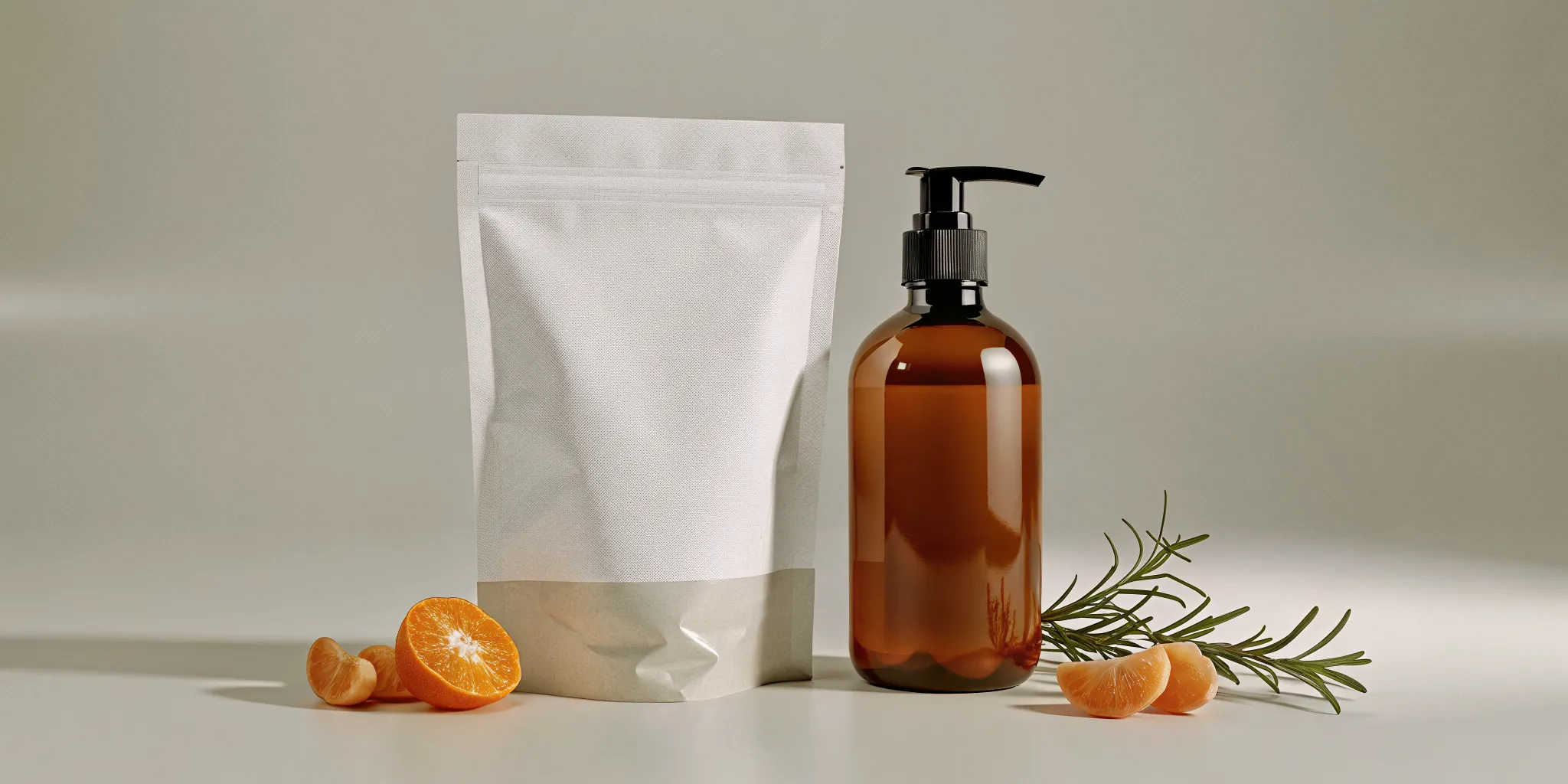
Why do refill packaging and value matter?
A hand cleanser is a recurring purchase, so packaging becomes part of the product rather than an afterthought. Replacing a complete pump bottle whenever it is empty creates more material use than keeping a dispenser and replenishing it. A refill system also lets the object at the sink remain consistent while the consumable portion arrives in a lighter format.
AEP Scent uses kraft-paper refill pouches that use up to 80-85% less plastic than comparable single-use bottles. The qualified "up to" matters because packaging comparisons depend on the sizes and formats being measured. Even so, retaining a reusable dispenser and choosing a lighter refill is a clear, practical way to reduce reliance on single-use plastic.
For a closer look at format and storage, read the guide to hand soap refill pouches. If you are selecting the vessel first, the guide to a refillable hand wash bottle explains what to consider. A dispenser should be stable, easy to pump, simple to clean, and compatible with the refill you plan to use.
Value should also be judged across the full routine. Compare formula quantity, typical dose, refill price, packaging, and delivery threshold rather than looking only at the first bottle. AEP Scent offers free shipping on orders over $50 and a 60-day return guarantee. Those policies reduce uncertainty when setting up more than one sink or trying a new scent, but they should still be considered alongside personal preferences and usage.
Can hand wash be used as body wash?
Some products are explicitly formulated and labeled for both hands and body; others are intended only for the sink. Check the product directions instead of assuming that every hand wash is interchangeable with body wash. The skin-feel preferences that work for quick, repeated hand cleansing may be different from what you want across the body in a shower.
A dual-purpose cleanser can simplify a guest bath or shower and reduce the number of containers in the room. Coastal Sage Body & Hand Wash clearly states its intended dual use. Its crisp, ocean-inspired profile combines ambrette seeds, sea salt, sage, and citrus oils. The label and product description make the use case clear without requiring assumptions.
If a product is not identified for body use, use it as directed. This is a straightforward standard for any cleanser. It respects the way the formula was designed and keeps the comparison focused on documented details rather than blanket claims.
Choose an AEP Scent starter set for a refined, refillable hand-care routine.
How do you choose the right option for each sink?
Start with the formula and after-rinse feel, then narrow the choice by scent and packaging. This order keeps the decision grounded in daily use. A beautiful bottle or appealing fragrance matters, but it will not compensate for a formula you do not enjoy using. Full ingredient transparency gives you a sound basis for comparison before ordering.
Use these five questions as a simple buying framework:
- Is the full ingredient list easy to find and understand in context?
- Does the scent profile suit the room and the people using it?
- Is the product labeled for every way you intend to use it?
- Can the dispenser be kept and replenished with a lower-plastic refill?
- Do the refill price, shipping terms, and return policy support long-term use?
For a kitchen, the aromatic citrus and wood character of Mandarin Zest is a considered starting point. For a powder room, Terra offers a warmer, more grounded profile. A dual-use wash may make more sense in a shower or guest bath. Browse all AEP Scent products to compare those formats and scents in one place.
It is also worth understanding the refill routine before committing. The overview of refillable hand soap brings together the design, scent, and packaging considerations. A thoughtful choice should work beyond the first impression, from the way the pump feels to the ease of storing and pouring the next refill.
Think about placement as well as product. A dispenser beside a compact sink needs a stable footprint and a pump that can be used without moving the bottle. In a kitchen, easy one-handed dispensing may matter most. In a shared bathroom, a refill that is simple to store and pour can make the routine easier to maintain. These practical details are quiet indicators of quality because they continue to matter after the first week.
When comparing cost, use the same basis for every option. Note the amount in the bottle and refill, estimate how often the dispenser needs replenishing, and include any shipping charge that applies to the order. A larger package is not automatically the better value if the formula encourages over-dispensing or the scent does not suit the room. Likewise, the lowest initial price does not capture the value of a reusable dispenser, a formula you enjoy, or a refill system that reduces repeated bottle purchases.
Finally, separate verified facts from broad marketing language. Facility standards, testing practices, ingredient disclosure, packaging measurements, shipping thresholds, and return periods can all be checked. General promises about purity, sustainability, or performance are less useful without context. This fact-based approach makes the hand soap vs hand wash decision simpler: choose the documented formula and system that fit your preferences, then judge the experience through regular use.
Frequently asked questions
Are hand soap and hand wash the same thing?
They are often used as interchangeable names for liquid hand cleansers, but the formulas can differ. Check the cleansing base, full ingredient list, intended use, scent, and after-rinse feel rather than relying on the front-label term.
Is hand wash always gentler than hand soap?
No. Skin feel depends on the complete formula, not whether the bottle says hand wash or hand soap. Compare ingredients and choose a product that feels comfortable after rinsing, especially if you wash frequently.
What makes a refill pouch a more considered choice?
A refill pouch lets you keep and reuse the dispenser, reducing the need for a new pump bottle with every purchase. AEP Scent's kraft-paper refill pouches use up to 80-85% less plastic than comparable single-use bottles.
What verified production details does AEP Scent provide?
AEP Scent formulas are made in California at an FDA/MoCRA-approved Los Angeles facility operating to GMP standards. They undergo third-party microbial testing, are vegan and cruelty-free, and are supported by full ingredient transparency.
What should I compare before buying?
Compare the full formula, intended use, scent notes, after-rinse feel, dispenser, refill material, price over time, shipping threshold, and return terms. AEP Scent provides free shipping on orders over $50 and a 60-day return guarantee.