


In a well-designed bathroom, body wash should do more than cleanse. It should bring a clear scent, an understandable formula, and a considered presentation to the space. That balance matters at home. It matters even more when designers and hospitality teams select guest-care products for several rooms.
Explore the body and hand wash starter set
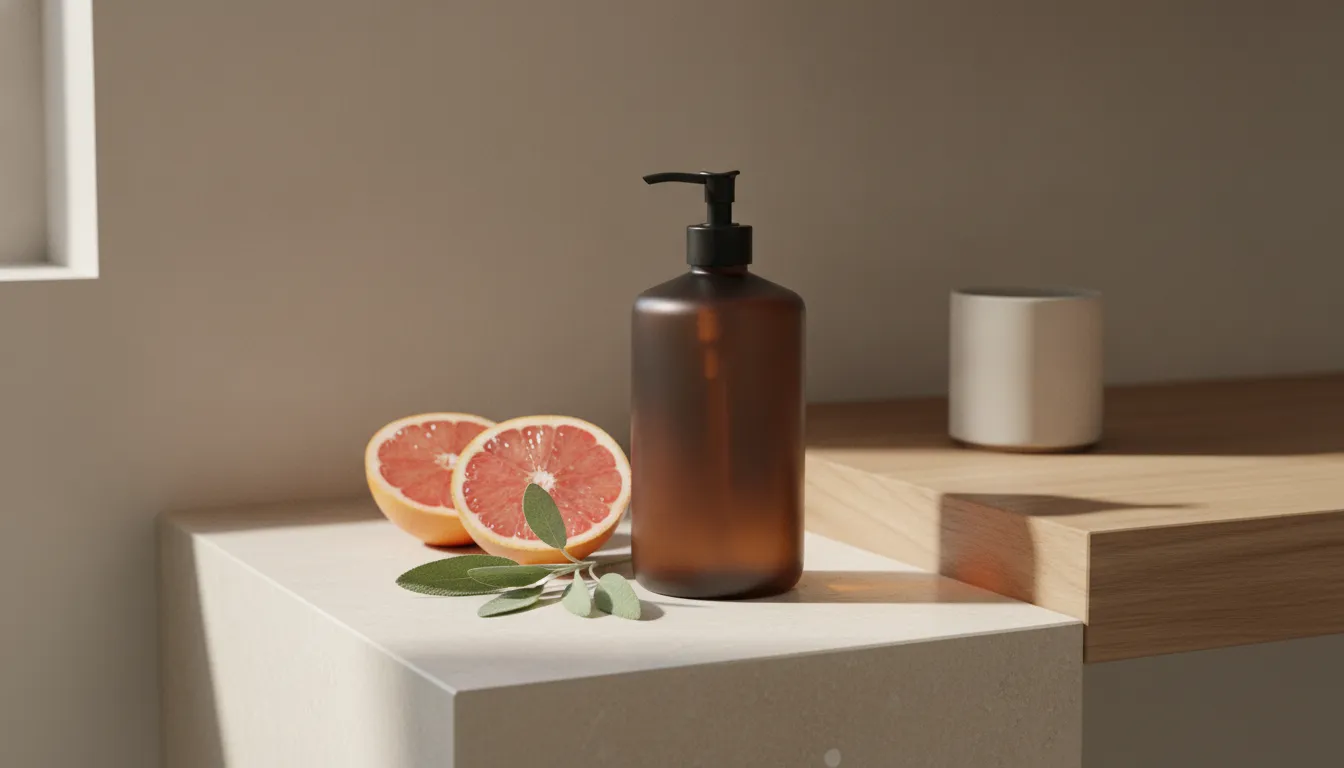
Sage grapefruit body wash combines bright grapefruit, green sage, and dry aromatic depth. AEP Scent pairs this crisp profile with a transparent vegan formula, cruelty-free practices, and reusable dispensers supported by kraft-paper refills. The result suits design-led homes, guest bathrooms, spas, restaurants, and hotel installations.
This guide explains how the scent develops, what to review in a clean formula, and how a refillable system can support daily use. It also gives specifiers a practical way to assess scent, presentation, and replenishment before choosing a body wash.
What Does Sage Grapefruit Body Wash Smell Like?
Sage grapefruit body wash opens with a clear, sparkling citrus impression. Grapefruit gives the first lift. It feels bright and lightly tart rather than sugary.
Green sage follows with an aromatic, herbal quality. Its dry character keeps the grapefruit from feeling sharp or overly sweet. Together, the notes create a crisp, woody, refreshing profile.
The opening is the most grapefruit-forward stage. It recalls fresh citrus peel with a cool, lightly bitter edge. The sage then adds structure and a more grounded dimension.
As the scent settles, the profile becomes drier and subtly woody. Its aromatic depth stays close to the skin. It does not need to fill the entire room to feel present.
That restrained development works well for shared spaces. A guest should notice a polished sensory detail without feeling surrounded by fragrance. The profile can complement linens, stone, wood, candles, and other carefully selected materials.
Where does the scent work best?
At home, the scent fits bathrooms with pale stone, warm wood, natural tile, or clean-lined fixtures. Grapefruit brings energy to a morning routine. Sage adds enough depth for a calmer evening use.
For interior designers, the profile can support a refined installation without imposing a highly personal signature. For hospitality teams, it offers a familiar citrus opening with a more structured finish.
Hotels, restaurants, spas, and residential projects can use a citrus and herbal direction across several guest-facing areas. It feels welcoming at a sink or shower. It also remains composed beside other room scents.
For a closely related product expression, explore Coastal Sage Body and Hand Wash. Its sage-led character moves toward a crisp ocean-woody direction while keeping the same quiet restraint.
What Makes a Clean Body Wash Formula Easy to Evaluate?
A clean body wash formula should make its ingredients and intended use easy to understand. Look for a complete ingredient list, direct product information, vegan positioning, and cruelty-free practices. Evaluate cleansing and skin feel as cosmetic qualities, not as medical promises.
Transparency is the most useful place to begin. A complete ingredient list lets a household, designer, or hospitality buyer review the product against personal preferences and purchasing requirements.
Clear product information also reduces guesswork during specification. Teams can understand what they are ordering, where it belongs, and how to communicate the choice to a client or guest.
Terms such as clean, natural, and pure can mean different things across the market. They should not replace specific ingredient information. AEP Scent emphasizes a transparent formula and avoids asking buyers to infer performance from broad language.
How should ethical positioning be assessed?
AEP Scent positions its formulas as vegan and cruelty-free. The brand does not describe these claims as a third-party certification in the available product information. Buyers should review the current product page when a formal procurement standard requires specific documentation.
This distinction matters for hospitality and commercial projects. A purchasing team may need to match a property policy. An interior designer may need to answer a client's questions about ingredients or sourcing.
Direct wording helps both groups make an informed choice. It also prevents a scent name, package color, or visual style from carrying claims that the product information does not support.
What should the cleansing experience feel like?
The practical test is simple. The wash should cleanse effectively and rinse without an uncomfortable after-feel.
Pay attention to the skin feel after rinsing. Does the skin feel clean without feeling uncomfortably tight? Does the scent stay present without becoming intrusive?
These are cosmetic and sensory considerations. They do not require medical language. They give a household or specifier a grounded way to compare body washes for everyday use.
Placement also matters. Body wash and hand soap can share a scent family, but they serve different routines. Read the guide to the difference between body and hand soap before using one product across every sink and shower.
How Can Sage Grapefruit Body Wash Fit a Refillable Routine?
A refillable body wash system keeps a reusable dispenser in service and replenishes it with a kraft-paper pouch. AEP Scent states that its refill pouches use approximately 80% less plastic than a conventional bottle comparison. The exact reduction depends on the packaging basis.
Refillability changes the purchase from a disposable bottle cycle into a repeatable routine. The dispenser stays part of the room. The refill becomes the replenishment unit.
For a home, that can mean fewer empty bottles around the shower or basin. For a hotel, restaurant, or spa, it can support a more consistent guest-care presentation across several points of use.
AEP Scent's published product information supports an approximately 80% plastic-reduction claim for its refill pouches. This is a brand packaging claim. It should not be presented as a universal result for every refill system.
What are the practical steps?
- Select a reusable dispenser. Choose a bottle that suits the room, the product placement, and the expected frequency of use. Keep the dispenser in service between refill cycles.
- Estimate normal consumption. Observe how quickly the product is used in the home or installation. Hospitality teams can check levels during room turnover or routine facilities rounds.
- Keep the next pouch available. Store refill pouches in a dry, organized area. Replenishing before the dispenser is empty prevents rushed substitutions.
- Pour the refill slowly. Open the pouch when the dispenser is ready. A funnel can help with a narrow opening. Wipe away any residue before returning the bottle.
- Record the next replenishment point. Note the refill date or expected usage window. A simple routine helps households and facilities teams maintain consistency.
- Inspect the dispenser during use. Check the pump, cap, and exterior. A clean, working dispenser supports both usability and presentation.
The process requires no change to the room's plumbing or fixtures. It connects a considered visual presentation with a small operating habit that can be repeated over time.
For refill planning, see the Terra refill pouch two-pack. It demonstrates the refill format for buyers comparing product supply options.
How Can Designers and Hospitality Teams Specify the Product?
For a designer or hospitality specifier, body wash is part of the room's design language. It appears beside the sink or in the shower. It contributes to a guest's first sensory impression.
Sage grapefruit body wash suits a brief that calls for something polished, fresh, and not overly sweet. Its citrus opening feels familiar. Its sage and dry aromatic finish give it more structure.
Coordinate the scent with the interior
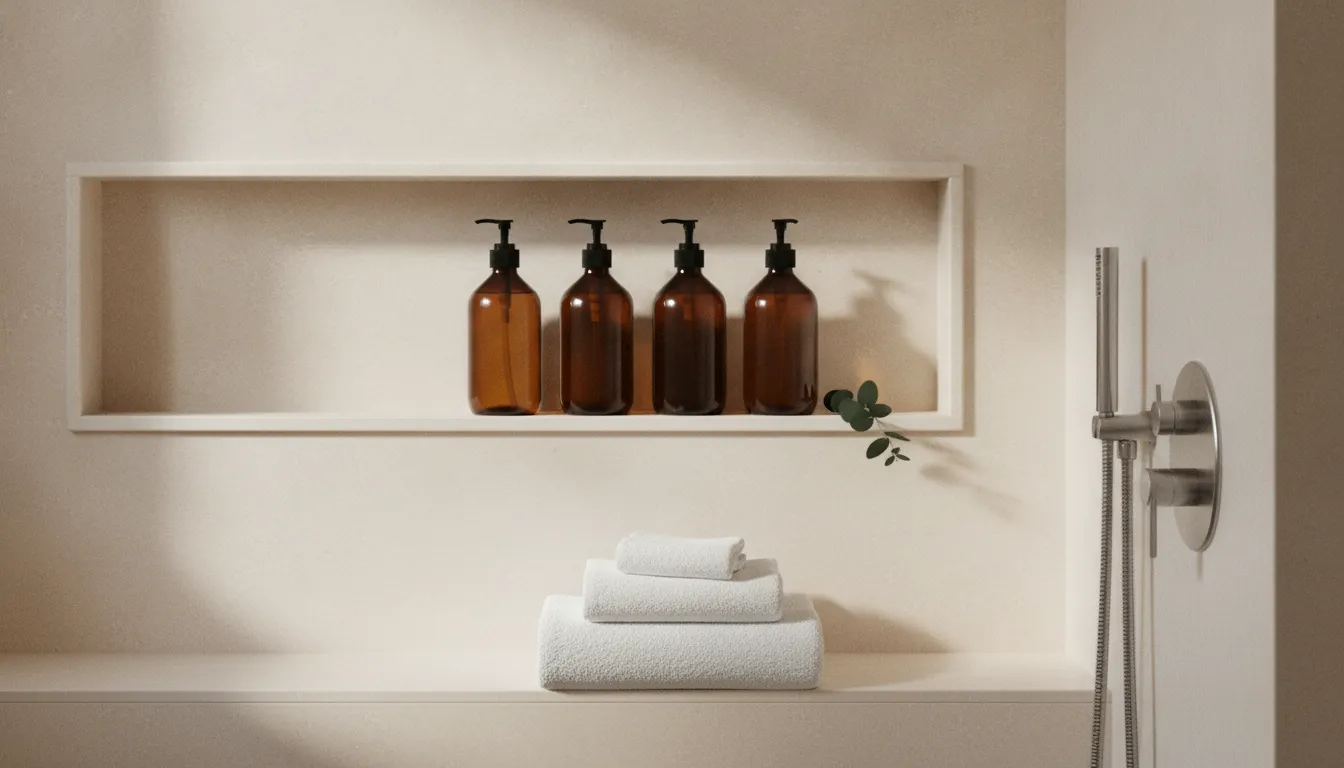
Use the fragrance to support the materials already in the room. Pale stone, warm wood, linen, brushed metal, and natural tile can all work with a crisp green profile.
The goal is not to make the scent the only design feature. It should reinforce the atmosphere established through lighting, texture, fixtures, and textiles.
A single scent direction can help a property feel consistent. A designer can then vary placement, dispenser finish, or room styling without creating a disconnected guest experience.
Plan for staff and guest usability
Hospitality teams should treat the dispenser and refill supply as one system. Inspect the product during room turnover. Check the fill level and pump function.
Keep replacement stock easy to identify. Store it where the team can reach it without interrupting guest service. These small details reduce last-minute substitutions.
In a smaller installation, a starter set can establish the presentation before a broader rollout. Explore the body and hand soap starter set when both sink and shower placement matter.
Match the product to the use case
Before specifying, assess the room count, service schedule, and expected consumption. Decide whether one scent should run across the property or whether different areas need distinct scent families.
Confirm that the dispenser is intuitive for guests and easy for staff to identify. Review the product's current ingredient information when a project has specific purchasing requirements.
For a project-wide assortment, the Shop All collection provides a starting point for comparing available body, hand, bottle, and refill options.
How Does This Scent Compare With Other Green and Botanical Directions?
Scent preference is personal. A profile's structure can still help a buyer choose a better fit for a room, season, or guest experience.
Sage grapefruit body wash sits between bright citrus and grounded botanicals. Grapefruit brings energy to the opening. Sage adds green, aromatic structure. The finish stays crisp, woody, and refreshing.
| Scent direction | How it reads | Useful setting |
|---|---|---|
| Bright citrus | Clear, lively, and lightly tart at the opening. | Morning routines, kitchens, and spaces that need immediate freshness. |
| Green herbal | Dry, aromatic, and botanical with a composed character. | Natural-material interiors, spas, and calm guest bathrooms. |
| Earthy botanical | Warm, grounded, and textural with deeper aromatic depth. | Layered interiors, cooler seasons, and rooms with wood or stone. |
| Crisp ocean-woody | Airy and mineral with sage, salt, or pale wood nuances. | Coastal interiors and guest spaces with an open atmosphere. |
| Sage grapefruit | Citrus brightness meets green sage and a dry aromatic finish. | Flexible home and hospitality use when one refined profile must suit different guests. |
Choose a brighter citrus direction when the first impression should feel energetic. Choose an earthy botanical direction when the room needs warmth and depth.
A crisp ocean-woody direction can feel airy beside stone, linen, and pale wood. Sage grapefruit offers a middle path. It stays fresh while adding enough structure for a design-led setting.
For a sage-led alternative within the AEP Scent range, compare Coastal Sage Body and Hand Wash. For a warmer botanical contrast, explore Terra Hand Soap.
Explore refill pouches for a reusable dispenser
Frequently Asked Questions
What does sage grapefruit body wash smell like?
It opens with bright grapefruit, then settles into green sage and dry aromatic depth. The overall impression is crisp, woody, and refreshing rather than sweet.
Is the formula vegan?
AEP Scent positions its formulas as vegan and cruelty-free. The available product information does not describe this claim as a third-party certification. Review the current product page when formal documentation is required.
What makes a body wash formula clean?
A useful evaluation starts with a complete ingredient list and direct product information. Buyers can then assess the formula against their own preferences without relying on broad terms such as natural or pure.
How does the refill system work?
Keep the reusable dispenser in place. Replenish it with a kraft-paper pouch when the fill level is low. AEP Scent states that its refill pouches use approximately 80% less plastic than a conventional bottle comparison.
Can hospitality teams use sage grapefruit body wash?
Yes. The crisp citrus and green herbal profile can suit hotel rooms, spas, restaurants, guest bathrooms, and residential installations. Teams should pair the product with a clear inspection and replenishment routine.
How should buyers compare refill packaging claims?
Check the stated comparison basis before using a reduction figure in a procurement document. AEP Scent's approximately 80% claim is specific to its refill packaging comparison. Results vary across materials, formats, and disposal systems.
A Considered Next Step for Your Space
Sage grapefruit body wash brings a crisp green profile to a daily routine or guest-care program. Its grapefruit opening feels bright. Sage and dry aromatic notes keep the finish composed.
For a home, begin with a body and hand wash format that suits the room. For a hospitality project, pair reusable dispensers with a measured refill routine. Browse AEP Scent's Shop All collection to compare the available options.
Each product page provides the current ingredient and packaging information needed for a more informed choice. That transparency helps the scent, formula, and presentation work together without unnecessary excess.
By AEP Scent. AEP Scent creates design-conscious body and hand care with transparent formulas, refillable packaging, and quiet luxury in mind.