


What is petitgrain? It is an essential oil steam-distilled from the leaves and young twigs of the bitter orange tree. Its scent begins with a crisp citrus lift, then settles into a dry, gently woody middle note. That range makes petitgrain especially useful for connecting bright bergamot with the deeper character of vetiver.
Experience petitgrain, bergamot, and vetiver in Terra Hand Soap.
Petitgrain comes from the leafy parts of the bitter orange tree, while neroli comes from its blossoms and bitter orange oil comes from its peel. It smells less sweet than fruit oil and less floral than neroli. In a balanced fragrance, petitgrain acts as a middle note that helps the opening and drydown feel connected rather than separate.
That structure matters in a product used throughout the day. A hand soap fragrance has only a short moment to unfold, so each note must be clear without becoming loud. Petitgrain gives Terra a polished transition from bergamot's lively opening to vetiver's warm finish.
What is petitgrain, exactly?
Petitgrain is a fragrant oil obtained mainly from bitter orange leaves and young twigs through steam distillation. Although it shares a botanical source with neroli and bitter orange peel oil, its leafy raw material gives it a distinctly dry, citrus-tinged character. Perfumers commonly use it as a versatile middle note.
One tree, three different materials
The bitter orange tree can yield several fragrance materials because blossoms, fruit peel, leaves, and twigs contain different aromatic compounds in different proportions. The resulting oils are related, but they do not smell interchangeable:
- Petitgrain: distilled from leaves and young twigs; crisp, dry, and lightly woody.
- Neroli: distilled from blossoms; floral, luminous, and softly citrus-like.
- Bitter orange oil: expressed from fruit peel; bright, juicy, and recognizably orange.
This distinction explains why a fragrance can use more than one bitter orange material without feeling repetitive. Each one describes a different part of the tree and performs a different role in the blend.
Where the name comes from
Petitgrain means "little grain" in French. The name refers to an earlier method of producing the oil from small, unripe bitter oranges. Modern petitgrain is generally distilled from leaves and twigs instead. You may also see the bitter orange variety called petitgrain bigarade, distinguishing it from oils made from other citrus leaves.
That history can cause confusion when a fragrance description mentions petitgrain without naming a plant part. In most contemporary scent discussions, the term refers to the leaf-and-twig oil. The source still matters, because petitgrain made from mandarin or another citrus species can have a noticeably different balance of sweetness, sharpness, and leaf character.
How is petitgrain oil made?
Petitgrain oil is made by passing steam through harvested leaves and young twigs. Heat releases their volatile aromatic compounds, which travel with the steam before cooling and separating into essential oil and aromatic water. The method captures a leafy citrus profile without relying on fruit peel or flowers.
From pruning to distillation
Producers gather suitable plant material, place it in a still, and introduce steam. As the steam moves through the leaves and twigs, it carries aromatic molecules into a condenser. Cooling turns the vapor back into liquid, and the lighter essential oil can then be separated. Careful control of time and temperature helps avoid a flat or overly harsh result.
Using leafy material also gives value to a part of the tree that differs from its fruit and blossoms. The finished oil can vary with origin, harvest timing, and distillation choices, but its central identity remains recognizable: citrus freshness with a drier, more structured finish.
Variation is part of working with botanical materials. Climate, soil, leaf maturity, and the ratio of leaf to twig can all shape the aroma. A fragrance maker evaluates the oil as a whole rather than expecting every harvest to smell identical. The aim is consistency in the finished blend while preserving the natural material's useful detail.
What does petitgrain smell like?
Petitgrain smells crisp, leafy, and citrus-like at first, followed by a dry, gently woody finish. It is less juicy than orange peel oil and less floral than neroli. Its restrained bitterness and subtle herbal edge keep it fresh while giving it enough depth to remain noticeable after brighter notes recede.
The opening
The first impression is brisk rather than sweet. Imagine the aromatic snap released when a citrus leaf or young twig is bent. There is a trace of orange character, but it feels filtered through foliage instead of fruit juice. That distinction keeps petitgrain from reading as a simple citrus scent.
The drydown
As the brighter edge softens, petitgrain reveals a drier side with faint wood, herb, and floral nuances. It does not become as dense as vetiver or cedar. Instead, it occupies the space between a fleeting top note and a lasting base, adding continuity while preserving air around the heavier materials.
Petitgrain's balance makes it useful in personal and home care. It can make a clean formula smell refined without relying on sweetness or an overpowering perfume effect. The result suits a daily ritual: distinctive enough to enjoy, restrained enough to revisit.
Words such as "green" can be vague in fragrance writing. With petitgrain, the idea is specific: the dry snap of a citrus leaf and the slightly bitter scent of a cut stem, not grass or lush foliage. The citrus impression is present, but it is framed by the plant's less sweet parts. That tension gives the oil its recognizable shape.
On a blotter, this development may be easy to follow over time. In hand soap, the experience is compressed. Water and lather emphasize brighter facets first, then quieter dry elements appear near the rinse. A balanced formula accounts for that short sequence instead of simply making the fragrance stronger.
Shop Terra Hand Soap for a dry citrus and vetiver scent with a polished finish.
Petitgrain vs. bergamot vs. neroli
Petitgrain, bergamot, and neroli can all bring citrus character to a fragrance, but they differ in source, texture, and function. Bergamot usually creates an immediate sparkling opening, neroli contributes floral brightness, and petitgrain adds a drier middle layer that can guide the scent toward woods, roots, and resins.
| Oil Name | Plant Part | Scent Profile | Typical Role |
|---|---|---|---|
| Petitgrain | Leaves and young twigs | Dry citrus, leafy, lightly woody | Middle note and transition |
| Bergamot | Fruit rind | Bright, tart, softly spicy | Top note and opening lift |
| Neroli | White blossoms | Floral, luminous, softly citrus-like | Floral heart and radiance |
Why the distinctions matter
Bergamot is immediately recognizable because its bright facets arrive quickly. Neroli has a more floral presence and can give a composition a graceful, luminous center. Petitgrain is quieter. Its citrus aspect recalls the opening, while its dry leaf-and-twig character points toward the base.
These roles are not fixed rules, and a perfumer can use any material in different ways. Still, understanding their general behavior makes a blend easier to read. In Terra, bergamot supplies the initial energy, petitgrain develops the transition, and vetiver gives the fragrance its lasting character.
Choosing between them is therefore not simply a matter of deciding which citrus smells best. It depends on the job the material needs to do. Bergamot can make an opening feel immediate, neroli can bring floral lift, and petitgrain can hold contrasting materials together. A composition may use one, two, or all three when each has a clear purpose.
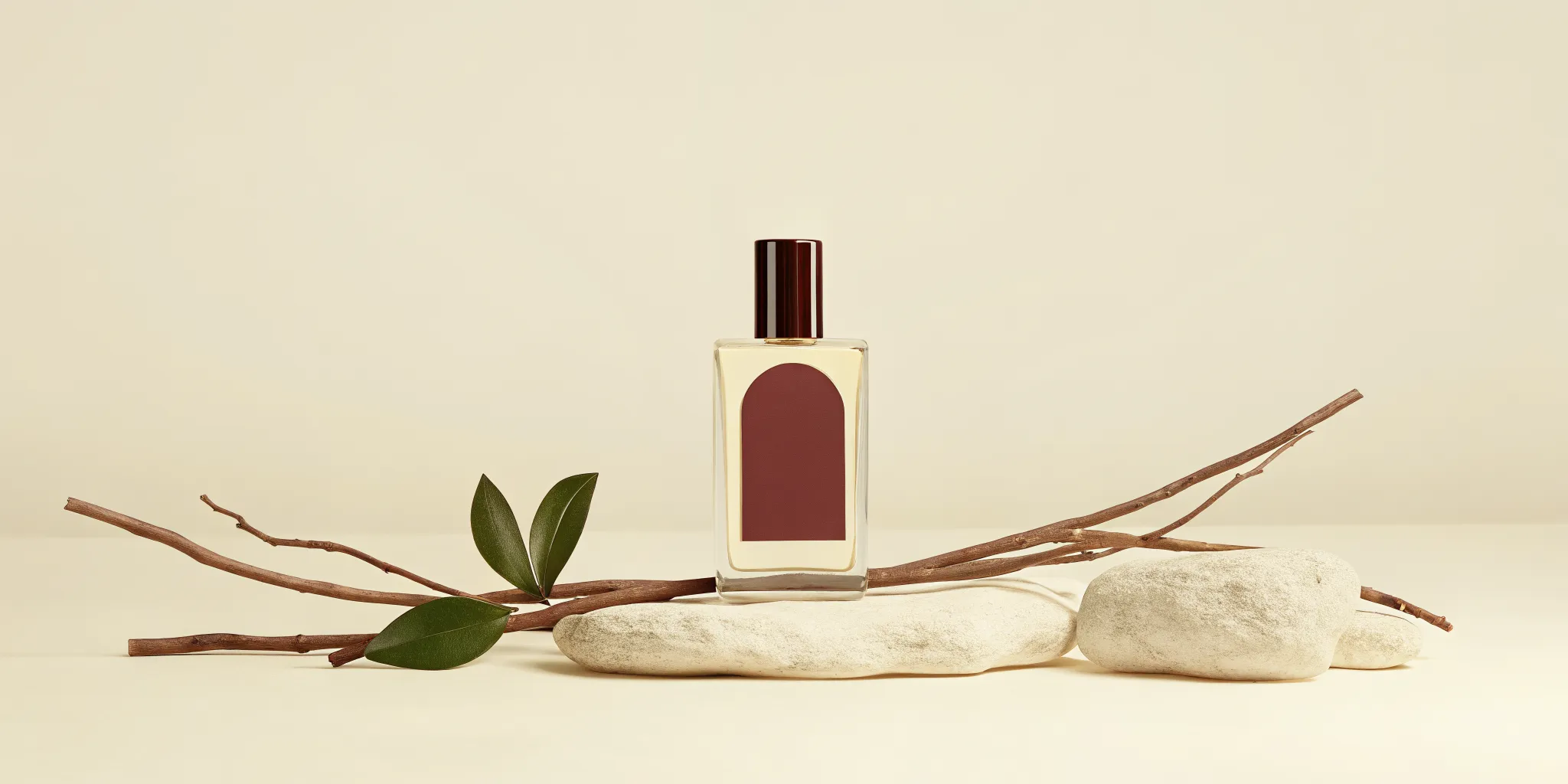
Why does petitgrain bridge bergamot and vetiver?
Petitgrain bridges bergamot and vetiver because it shares traits with both without duplicating either one. Its citrus facet echoes bergamot's bright opening, while its dry leaf, twig, and subtle wood qualities anticipate vetiver's root-like depth. This overlap creates a gradual transition across the fragrance instead of a sharp jump.
A shared edge with bergamot
Bergamot and petitgrain both have citrus ancestry, so the shift between them feels intuitive. Yet petitgrain removes much of the juicy sparkle and sweetness associated with peel oil. As bergamot fades, petitgrain retains enough citrus clarity to preserve the opening's direction while introducing drier, less volatile facets.
A shared edge with vetiver
Petitgrain also has the firmness needed to meet vetiver. Its twig-like dryness and mild bitterness prepare the nose for vetiver's rooty, smoky, and mineral qualities. It does not compete with that depth. Instead, it gives the base a point of entry, allowing vetiver to emerge without making the blend suddenly feel heavy.
Bridge, contrast, and pacing
The value of petitgrain is not simply that it smells "in between." It also controls pacing. Bergamot provides quick brightness; vetiver develops more slowly. Petitgrain remains present during that handoff, giving the composition a continuous line. At the same time, its crispness contrasts with vetiver, so the finished scent retains definition.
This is why the trio works well in a rinse-off product. Even during a brief wash, the fragrance can move from an engaging opening through a clear center to a composed finish. Each material remains identifiable, but none feels isolated.
There is also a useful difference in texture. Bergamot can feel smooth and sparkling, while vetiver often feels fibrous, dry, or smoky. Petitgrain introduces the impression of leaf and thin branch. That texture is closer to vetiver than fruit peel is, but lighter than the root itself. The transition works because the nose encounters a sequence of related surfaces rather than an abrupt change.
Balance does not mean making the three materials equally prominent. Too much bergamot could make the opening dominate; too much vetiver could make the finish feel dense. Petitgrain lets the formulator adjust that relationship with precision. It can extend freshness without adding sweetness and soften the move into vetiver without hiding its distinct character.
Why use petitgrain in premium hand soap?
Petitgrain suits premium hand soap because it offers complexity without excess sweetness or weight. Its crisp opening reads as clean, while its dry middle note gives the fragrance character beyond a basic citrus accord. Paired carefully, it can make an everyday wash feel considered without overwhelming the room or skin.
A scent designed for frequent use
A hand soap should remain appealing through repeated use. Very sweet or forceful fragrances can become tiring, especially in kitchens and shared bathrooms. Petitgrain's measured profile helps avoid that problem. It is fresh enough for daytime use, but its dry finish gives it a quiet, polished quality.
Formula and packaging matter too
Fragrance is only part of the experience. AEP Scent makes its formulas locally in Los Angeles, with vegan and cruelty-free ingredients and full ingredient transparency. Reusable dispensers and refill pouches support a lower-waste routine; AEP Scent refill pouches use over 80% less plastic than standard bottles.
For shoppers building a coordinated sink and shower routine, a starter set makes it easier to explore complementary scent profiles while beginning with reusable dispensers.
Explore the Body and Hand Wash Starter Set.
How does petitgrain shape Terra Hand Soap?
In Terra Hand Soap, petitgrain connects bergamot rind with vetiver root to create a warm, composed scent. Bergamot gives the opening lift, petitgrain supplies the dry transition, and vetiver anchors the finish. The result is textured and quietly luxurious, with enough freshness to suit a daily hand-washing ritual.
Reading Terra from first pump to rinse
Terra begins with bergamot's clear citrus energy. Petitgrain then changes the direction of the scent, moving it away from fruit and toward leaf, twig, and dry wood. Vetiver arrives as the base, adding warmth and a subtle smoky quality. Because petitgrain touches both ends of the structure, the progression feels deliberate.
A restrained approach to quiet luxury
Terra does not depend on a loud perfume effect. Its appeal comes from proportion: brightness is checked by dryness, and depth is kept from becoming dense. That restraint allows the fragrance to complement a well-designed space rather than dominate it.
The soap is made in California with a clean, non-toxic formula. Pairing the reusable dispenser with a Terra Hand Soap Refill 2-Pack extends the ritual while reducing reliance on single-use plastic. You can also browse AEP Scent products, starter sets, and refills to compare formats.
Frequently Asked Questions
What does petitgrain smell like?
Petitgrain smells crisp, leafy, and citrus-like at first, then becomes dry and gently woody. It is less sweet than orange peel oil and less floral than neroli, with a subtle herbal bitterness that gives it structure.
How is petitgrain oil different from neroli?
Petitgrain is distilled mainly from bitter orange leaves and young twigs, while neroli is distilled from the tree's white blossoms. Petitgrain is drier and more twig-like; neroli is more floral and luminous.
Why is petitgrain used in hand soap?
Petitgrain brings a clean citrus opening and a dry, refined middle note without becoming overly sweet. It also blends smoothly with deeper materials such as vetiver, making it well suited to a balanced fragrance for frequent use.
Is petitgrain essential oil good for your skin?
Petitgrain is used as a fragrance ingredient in personal care, but an essential oil should not be applied to skin undiluted. Choose a properly formulated product and review its ingredient list if you have sensitivities or specific concerns.